Dog Training & Behaviour Blog:
Expert Dog Training Articles and Advice
Welcome to the Walkies dog training and behaviour blog, where you’ll find practical, compassionate advice to help you better understand your dog. This dog blog is full of evidence-based behaviour and training articles written to support you through everyday challenges.
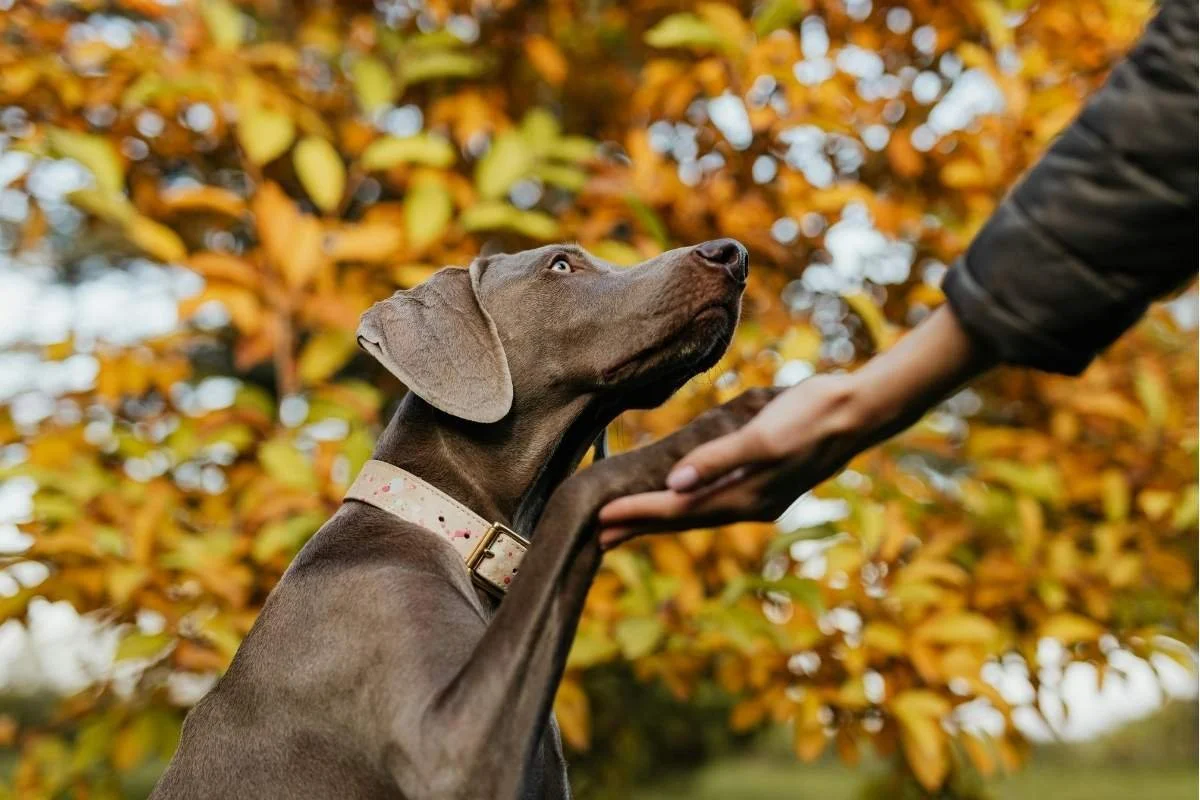
Can You Train a Rescue Dog? What Every Adopter Should Know
Adopting a rescue dog can be incredibly rewarding, but it often comes with questions about training, behaviour, and settling in. This guide explores whether rescue dogs can be trained,, how long training can take, and how to support your dog kindly and effectively as they adjust to their new home.
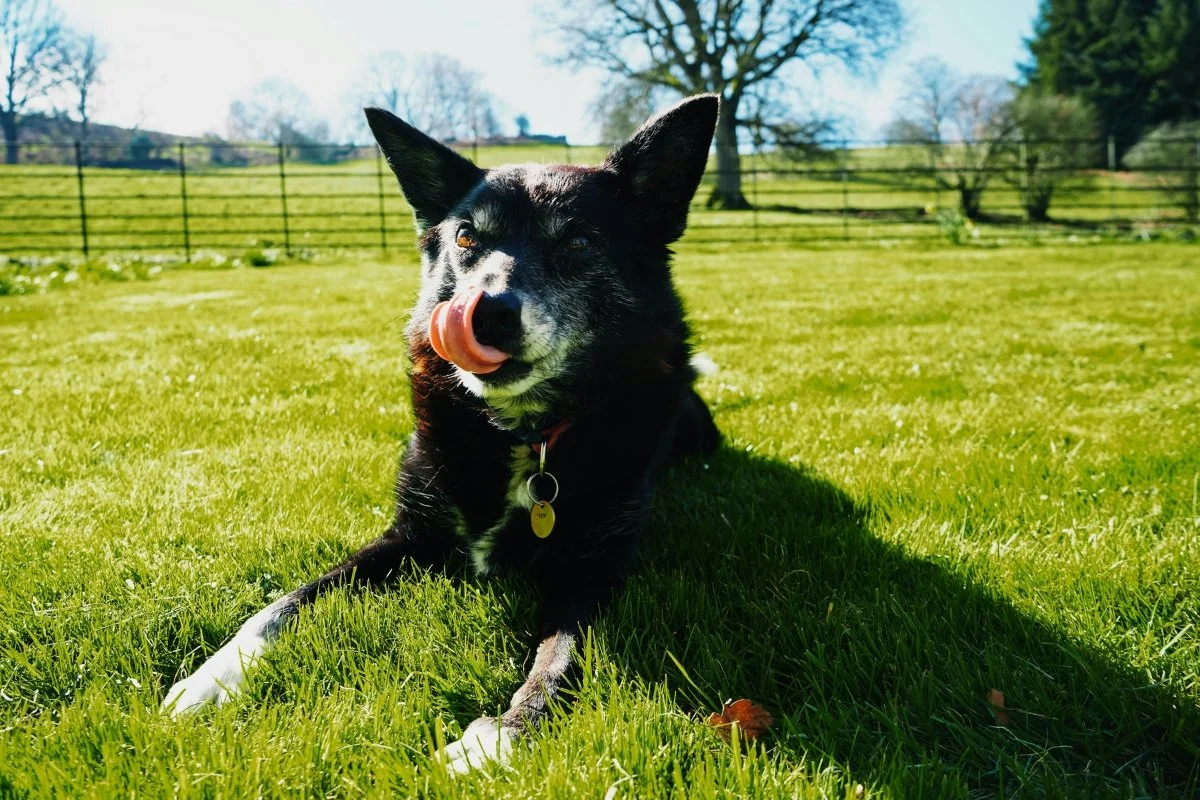
Rescue Dog Support: How to House Train an Older Rescue Dog
House training an older dog is possible. In this guide, you will find practical advice on how to house train an older rescue dog, including routines, rewards, and confidence-building techniques.

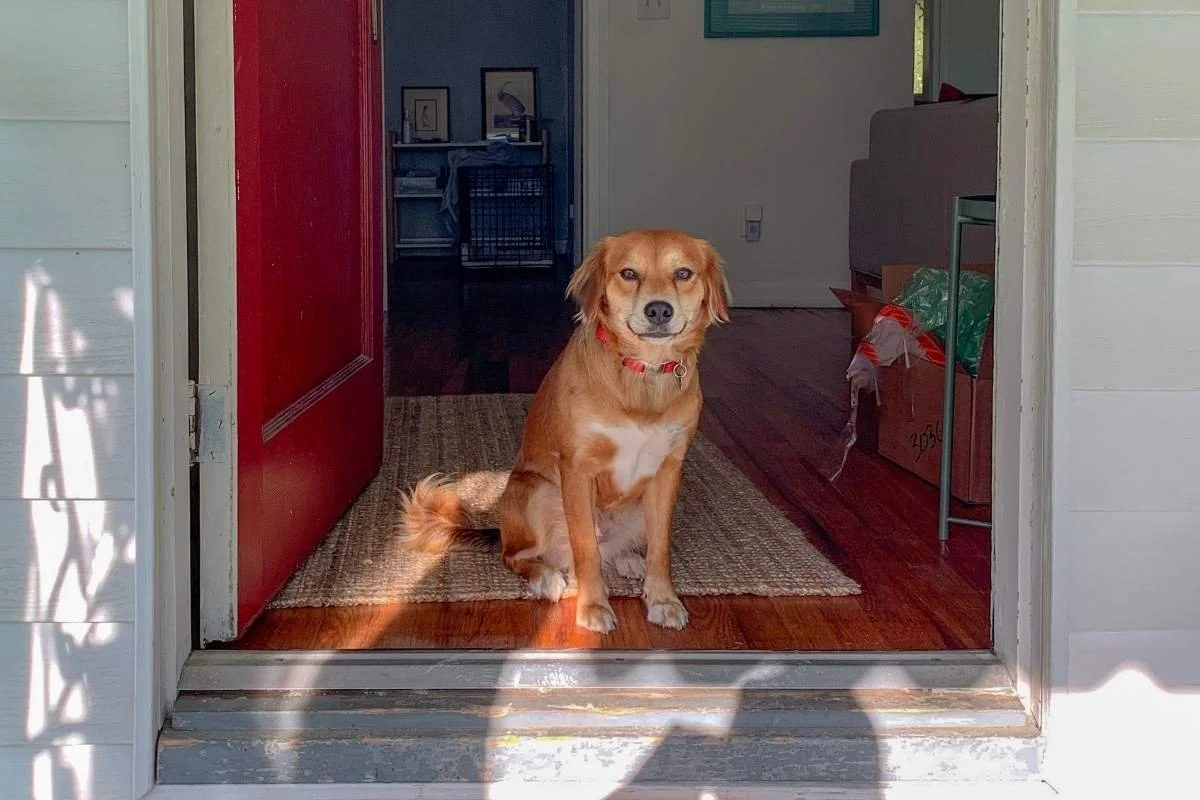
How to Keep Your Dog Calm When Visitors Come: A Guide
Does your dog struggle when visitors arrive, barking, jumping up or finding it hard to settle? This guide includes a variety of kind, practical strategies to help your dog feel calmer and more confident when people come into your home.

How Do I Gently Train My Puppy to Be Alone?
Worried your puppy will never cope alone without crying? You’re not doing anything wrong. Puppies are simply wired for closeness, and alone time is a confidence skill they learn gradually. In this guide, you’ll learn whyy puppies cry when left and five kind, science-based ways to help your puppy feel safe and settled on their own.
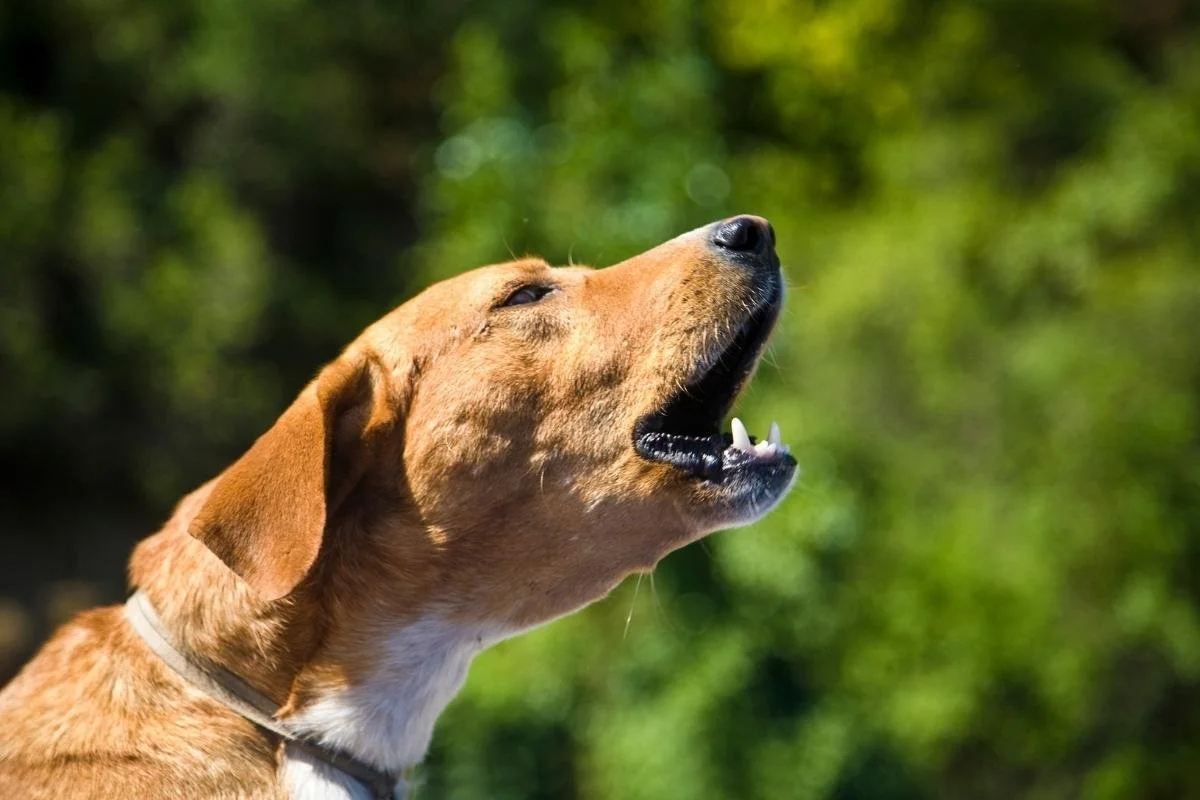
How Can I Help My Reactive Dog? Kind Strategies That Work
Living with a reactive dog can feel overwhelming, but there is a kind, practical way forward. Read this guide to understand what reactivity really means and learn 5 gentle, evidence-based strategies you can start using right away to help your dog.
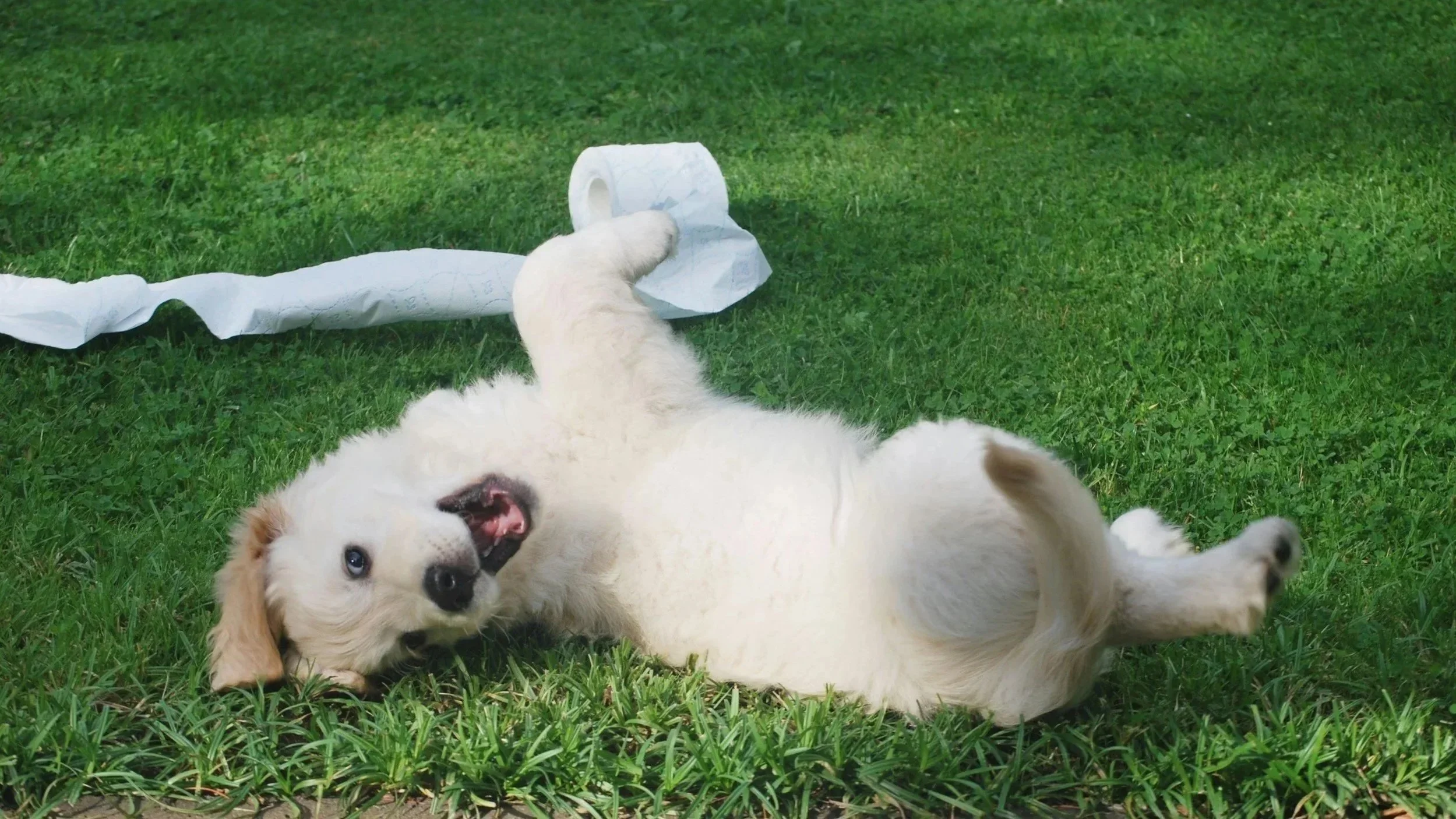
Toilet Training your puppy - a kind and practical guide
Toilet training a new puppy can feel daunting, but it doesn’t need to be stressful. At 8 weeks old, puppies have tiny bladders and very little control, so patience and kindness are key. Instead of relying on crate training, you can use a safe puppy pen overnight, combined with plenty of outdoor trips during the day, rewarding your puppies successes. Accidents will happen but with consistency and gentle guidance, your puppy will soon learn where to go.
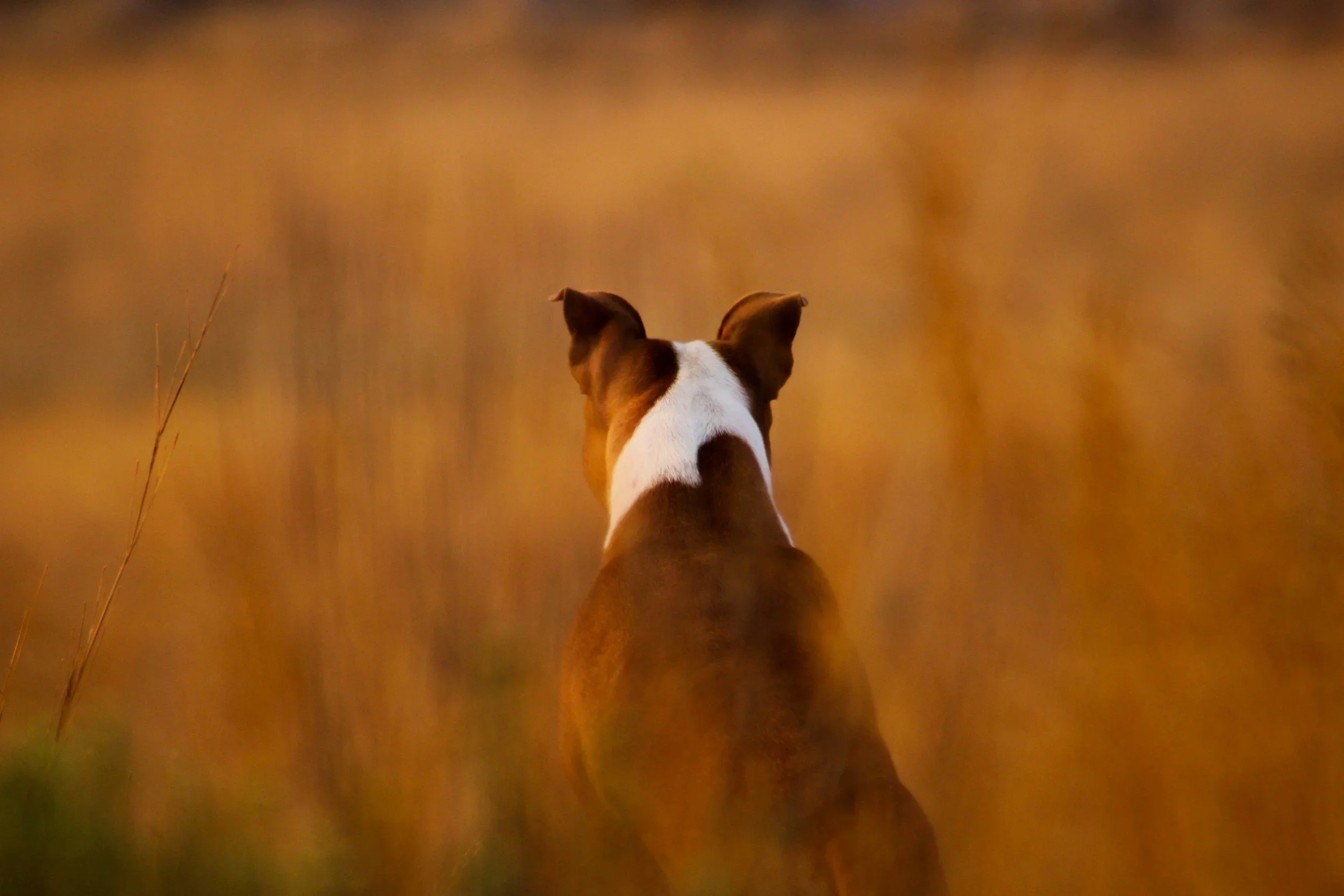
Raised hackles in dogs: what does it really mean?
Ever noticed the fur on your dog’s back and neck suddenly standing up on end? This is called piloerection - more commonly known as raised hackles. People often assume when a dog’s hackles are raised it simply means aggression, but that’s not the whole story! Piloerection is an automatic response of the sympathetic nervous system, triggered by fear, stress, arousal or excitement. To understand what your dog is really feeling, you need to look at the whole picture, not just the raised hackles.
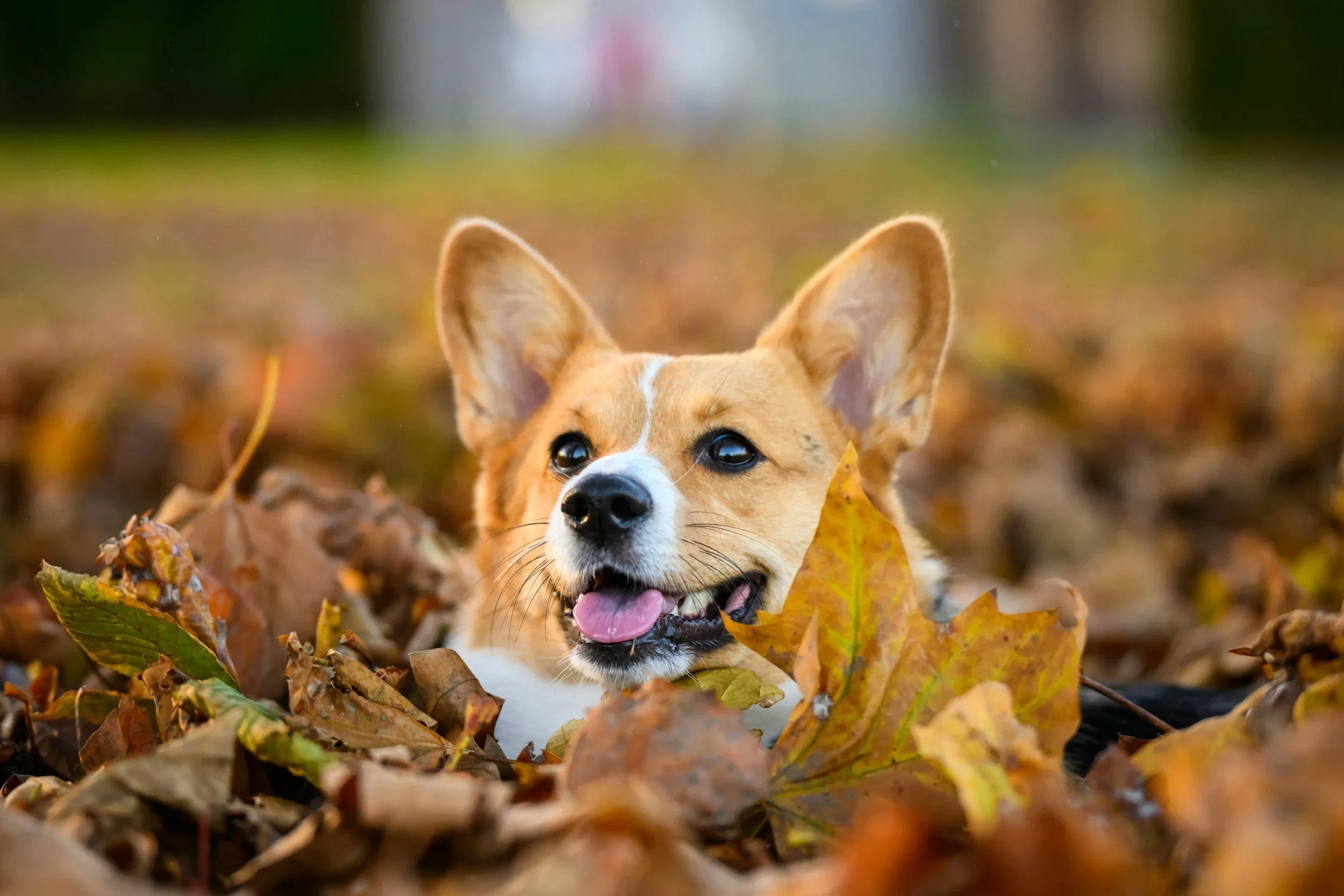
Why dogs sniff more in autumn
Have you noticed your dog stopping more often to sniff in autumn? Cooler, damp air, fallen leaves and wildlife activity make this season one of the richest for scent. From earthy leaf litter to that ‘after rain’ smell we call petrichor, autumn offers dogs an incredible sensory world. Learn why their noses work overtime at this time of year and how you can turn everyday walks into enriching sniffari adventures.

Teenage Dogs: What to Expect and How to Survive Adolescence
Living with a teenage dog can feel like riding an emotional rollercoaster - one moment they’re cuddly, the next they’re ignoring everything you thought they’d mastered. Don’t worry: this stage is completely normal. In this post, I’ll explain what to expect during canine adolescence, why it happens and how you can survive it with patience, training tips and a stronger bond with your dog.
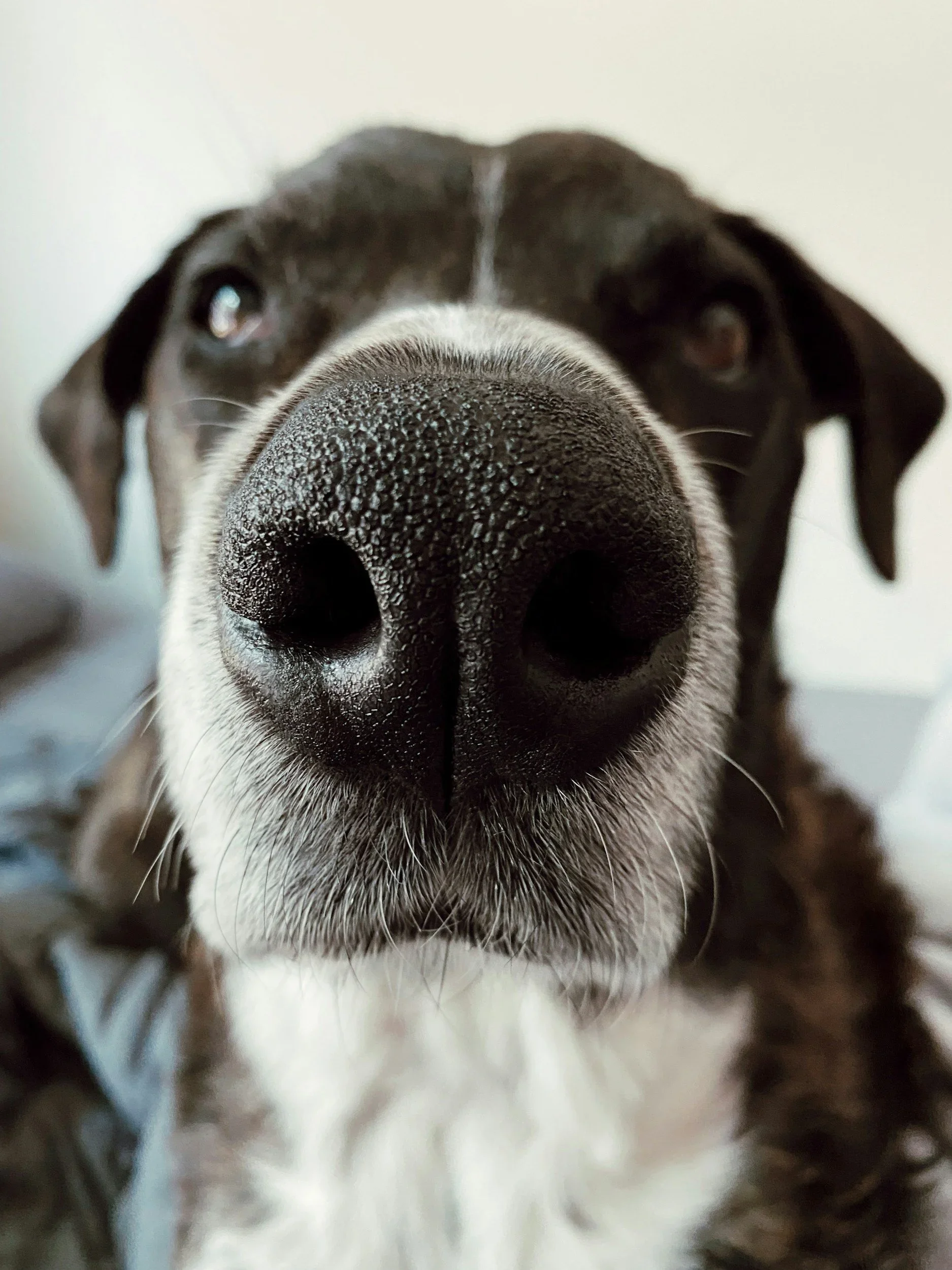
The science of sniffing: how dog’s noses support their wellbeing
Sniffing is far more than a habit -it’s a vital part of a dog’s wellbeing. With up to 300 million scent receptors and even the ability to detect radiant heat, dogs experience the world through their noses. Research shows that allowing sniffing reduces stress, enriches daily life and supports emotional balance. Restricting it can lead to frustration and behavioural issues. Discover why giving your dog time to sniff is one of the kindest choices you can make.
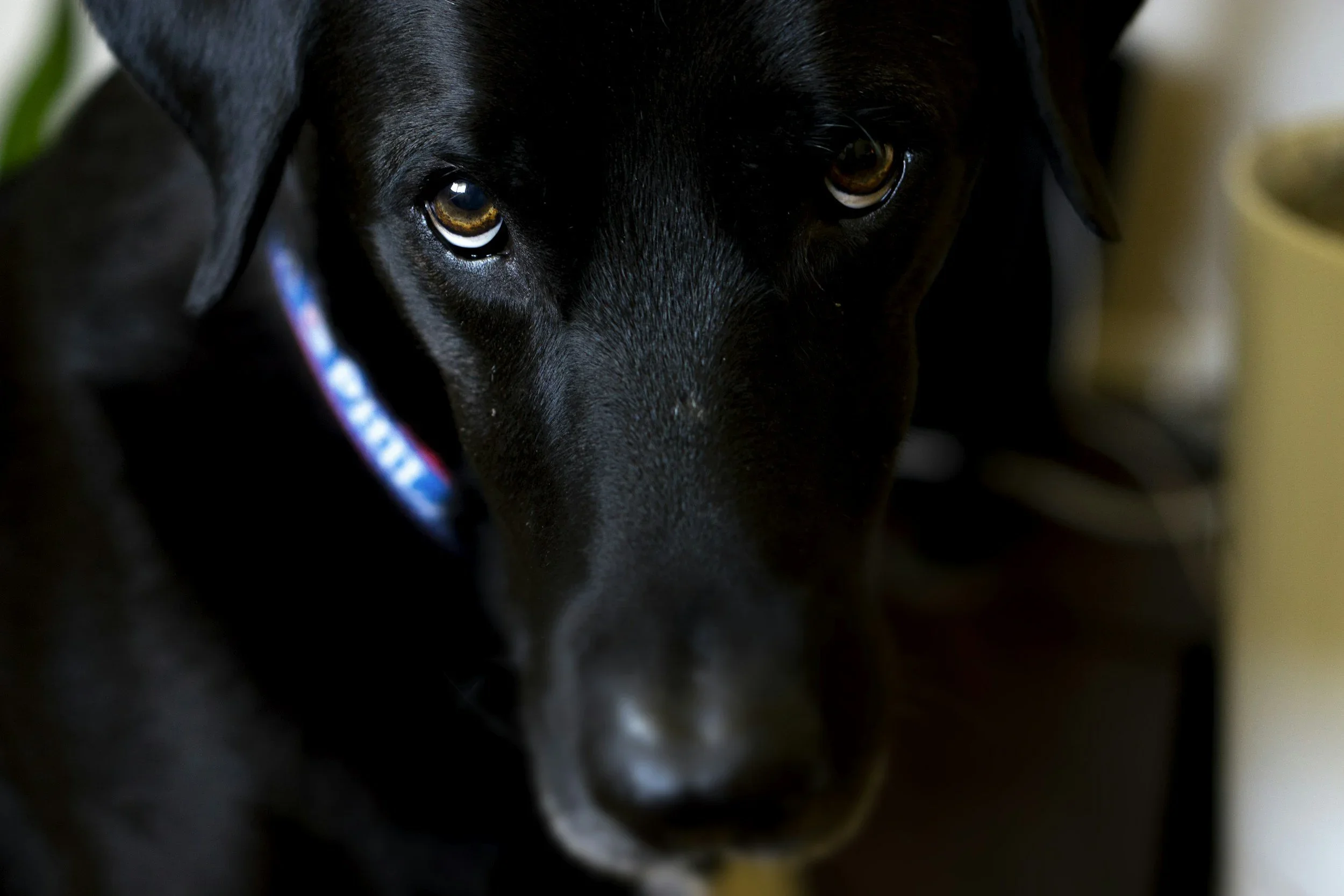
The ‘Guilty look’ in dogs: what it really means
Many people believe their dog’s ‘guilty look’ means they know they’ve done wrong. But research shows otherwise. Those lowered ears and tucked body aren’t signs of guilt - they are appeasement gestures in response to our tone and body language. In this blog, we explore what the ‘guilty look’ really means and how positive training helps dogs to feel safe and understood.

A holistic approach to dog behaviour
Dog behaviour is never just about what we see on the surface. A holistic approach looks at the whole picture - from health and emotions to environment and learning history. By combining veterinary care, enrichment and positive reinforcement, we can support welfare, reduce stress and create lasting behaviour change built on trust and mutual understanding.
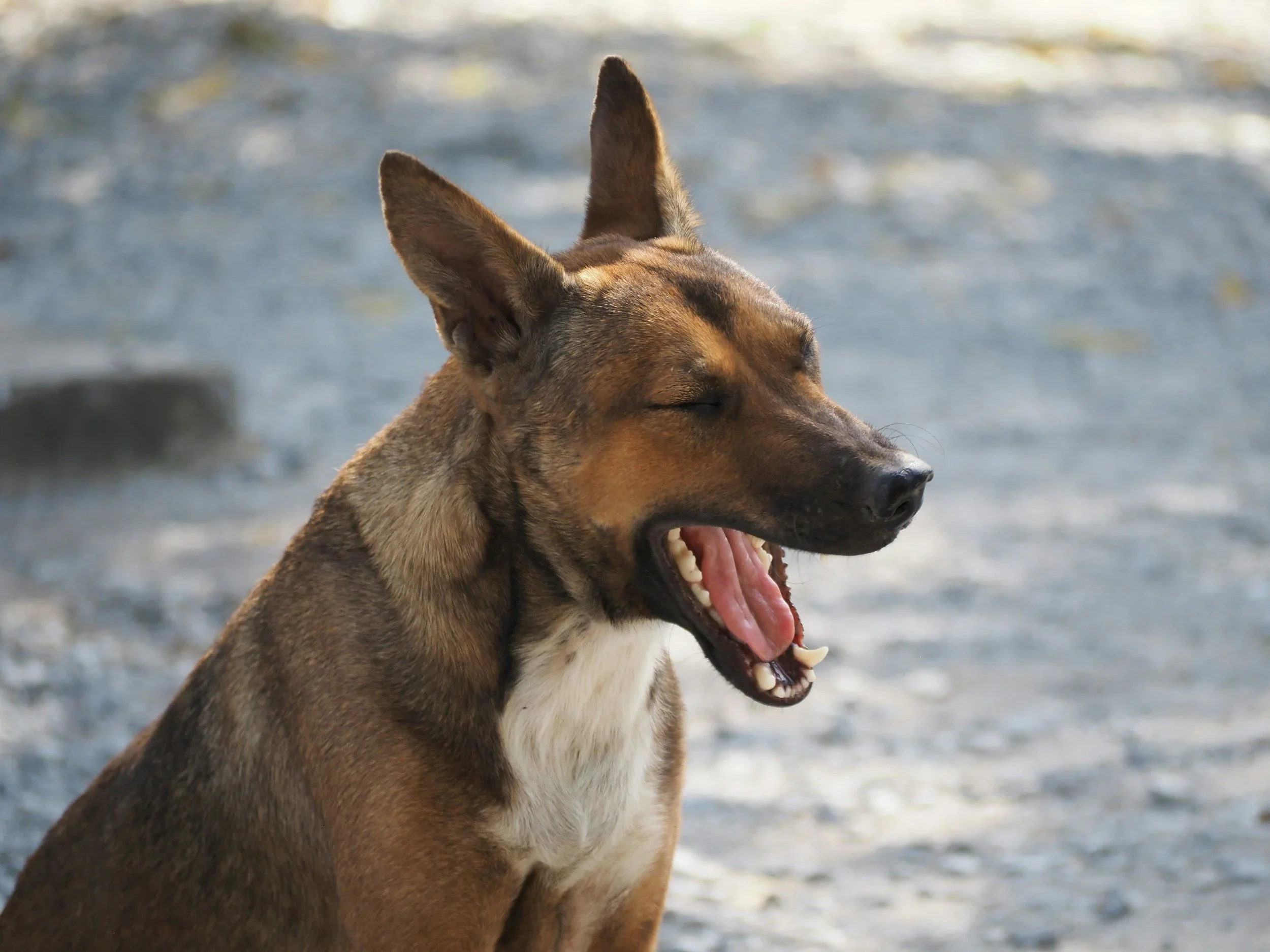
Stress signals in dogs
Did you know that dogs show signs of stress long before they bark or growl? Recognising early signals like yawning, lip-licking or turning away can help you step in before behaviour escalates.
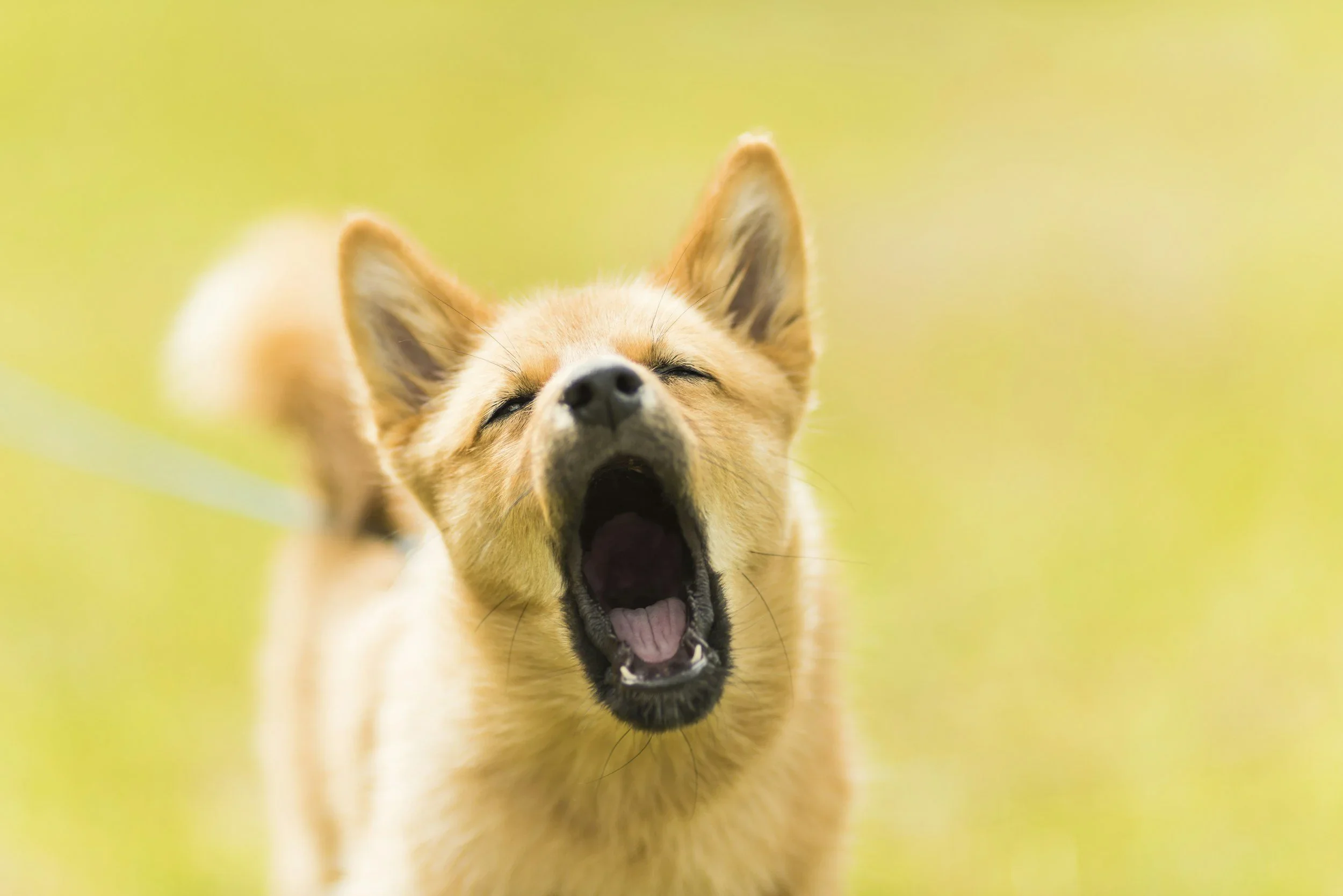
Why is my dog reactive?
Reactivity in dogs is often misunderstood. It is not about being dominant or misbehaving. It can be about fear, frustration, unmet needs or even pain. Learn what drives reactivity and how you can help your dog and enjoy more peaceful walks together.
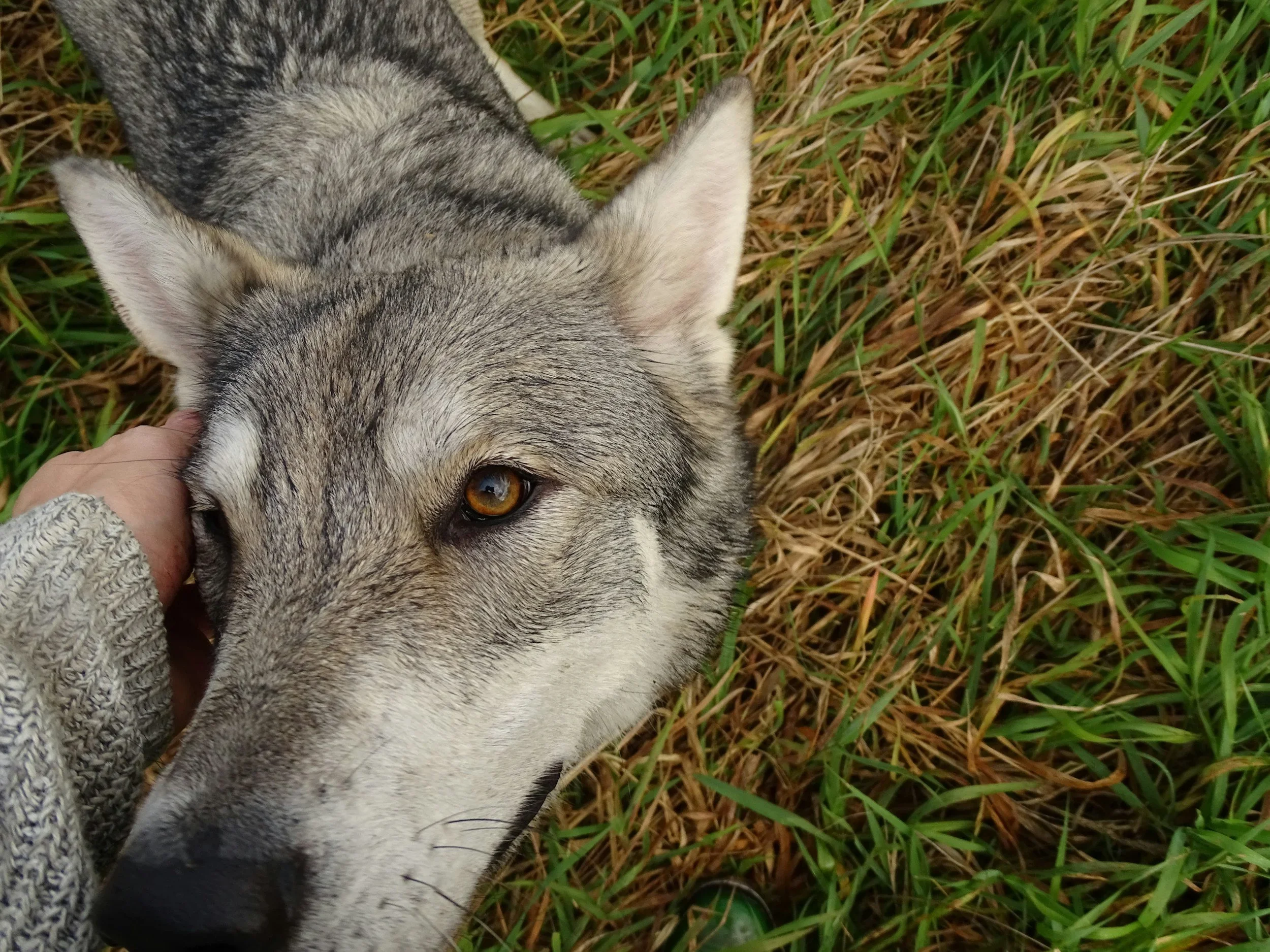
The Importance of helping dogs feel safe
One of the greatest gifts we can give our dogs is a sense of safety. Discover why comfort is not reinforcement of fear and how reading body language can help your dog thrive.

Why your dog’s behaviour might not be about training at all.
When your dog struggles, it may not mean they need more training. Discover how stress, overwhelm and emotions can affect behaviour and what to do instead.

Environmental Sensitivity in Dogs
Some dogs find sights, sounds and changes overwhelming. Learn how to recognise environmental sensitivity and support your dog with calm guidance.
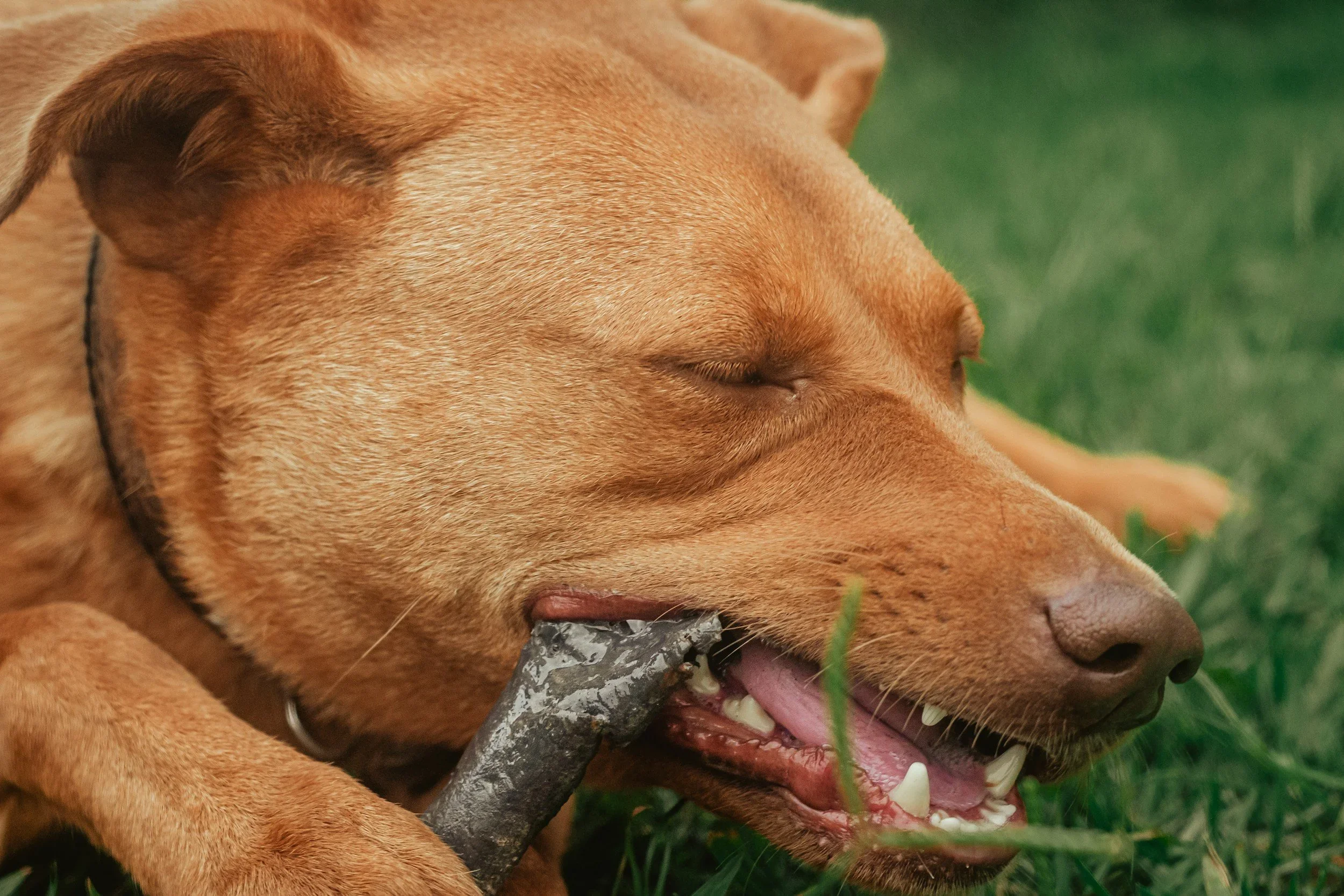
The importance of chewing for adult dogs
Chewing isn’t just for puppies! Discover why chewing is essential for adult dogs and how it supports their wellbeing, reduces stress and prevents boredom.